Blood Pressure Template Journal: Editable 6x9 Interior
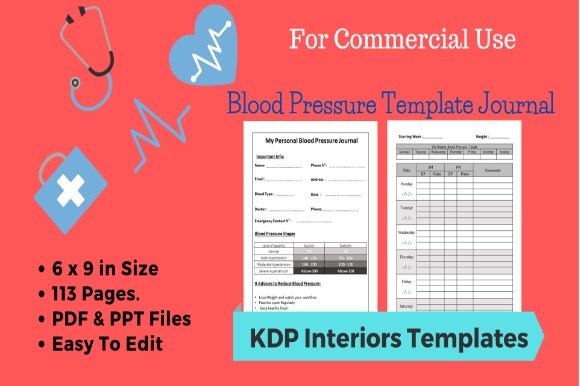
Creating a functional health tracker requires more than just placing lines on a page; it demands an understanding of user behavior, medical necessity, and clean information architecture. The Blood Pressure Template Journal serves as a comprehensive foundation for publishers and designers aiming to enter the health and wellness niche without starting from scratch. This resource is specifically engineered for the 6 x 9 inch trim size, offering a compact yet spacious layout across 106 pages that balances data entry fields with ample writing space. Unlike generic templates, this interior focuses on the practical realities of daily monitoring, ensuring that the end product feels professional, intuitive, and genuinely useful for individuals managing hypertension or tracking cardiovascular health.
The visual personality of this template leans heavily into modern typography and clean editorial design. In the context of low-content publishing, readability is paramount. Users recording blood pressure are often older adults or individuals under stress, meaning the typeface choices and spacing must prioritize clarity over decoration. The included layouts utilize a structured grid system that guides the eye naturally from date and time entries to systolic and diastolic readings. This deliberate visual hierarchy reduces cognitive load, making the journal feel like a premium medical tool rather than a simple notebook. For designers and brand strategists, this level of pre-established structure provides a reliable baseline that maintains professionalism while allowing room for unique branding elements on the cover or introductory pages.
Leveraging Editable PPT Files for Customization
The true value of this asset lies in its editability. While the PDF file offers a print-ready solution for immediate use, the included PowerPoint (PPT) file transforms the product from a static template into a dynamic design asset. For entrepreneurs and content creators, this distinction is critical. PowerPoint is a ubiquitous tool that lowers the barrier to entry for book formatting. You do not need advanced proficiency in Adobe InDesign or Affinity Publisher to modify margins, adjust column widths, or update header fonts. This accessibility allows small business owners to rapidly prototype variations of the Blood Pressure Template Journal to test different market segments.
Customization extends beyond mere aesthetics; it enables functional adaptation. A publisher targeting postpartum mothers might need to add fields for weight and mood alongside blood pressure, while a journal aimed at elderly care facilities might require larger font sizes and simplified tracking tables. The editable nature of the PPT file supports these specific use cases without requiring a complete redesign. From a production standpoint, this flexibility ensures that your final output remains consistent with your broader brand identity. Whether you are creating a standalone product or part of a series of health journals, maintaining typographic consistency and layout rhythm across titles builds recognition and trust with your audience.
Strategic Applications Across Digital and Print Media
While primarily designed for physical printing via platforms like Amazon KDP or IngramSpark, the structural principles embedded in this template translate effectively to digital products and marketing materials. The clean, organized aesthetic works exceptionally well for social media graphics promoting health awareness. Marketers can extract individual page spreads to create carousel posts demonstrating the journal’s utility, using the same modern typography and visual hierarchy found in the physical book. This cohesion between the product and its promotional materials reinforces brand perception and signals quality to potential buyers.
For bloggers and affiliate marketers in the health niche, the Blood Pressure Template Journal can serve as a lead magnet or bonus content. By modifying the PPT file to include branded headers or specific educational tips, you create a high-value digital download that complements written content about heart health. In web design contexts, the layout logic used in these journals—clear separation of data points, legible sans serif fonts, and generous whitespace—can inform the design of health tracking apps or patient portal interfaces. Understanding how information is organized in a tactile format often reveals insights into user experience (UX) best practices for digital health tools.
- Editorial Design: Use the 106-page structure as a blueprint for creating other medical logbooks, such as glucose trackers or medication journals.
- Brand Identity: Apply the template’s minimalist style to ensure new products align with existing health-focused portfolios.
- Packaging Design: Adapt the interior grid patterns for box inserts or instructional cards accompanying medical devices.
- Creative Font Pairing: Test different header fonts within the PPT to see how serif versus sans serif options affect the perceived tone of the journal.
Evaluating Typography and Readability Standards
When customizing the Blood Pressure Template Journal, font selection should always defer to function. Health journals occupy a unique space where display fonts and decorative scripts are generally inappropriate for data entry areas. Stick to highly legible sans serif typefaces for tables and input fields to ensure users can read their own handwriting and printed labels easily. If you wish to introduce personality, reserve creative fonts or serif fonts for section dividers, motivational quotes, or introductory text. This strategic font pairing creates visual interest without compromising the core utility of the tracker.
Readability also encompasses spacing and contrast. The 6 x 9 inch format is popular because it is portable, but it limits horizontal real estate. When editing the PPT file, resist the urge to cram too many columns onto a single page. Adequate gutter margins and row height are essential for usability. Test your modifications by printing sample pages at actual size; what looks spacious on a 27-inch monitor may feel cramped on paper. Furthermore, consider color contrast carefully. While full-color interiors are possible, high-contrast black and white or grayscale designs often perform better for daily-use journals due to lower printing costs and reduced glare. Professionalism in this niche is defined by clarity, so prioritize accessible design standards over trendy graphic elements.
Commercial Considerations and Best Practices
Before launching a product based on this template, verify the licensing terms associated with the design assets. Most commercial fonts and templates allow for use in end products sold to consumers, but restrictions may apply to reselling the template itself or using certain premium fonts in editable formats. Conducting this due diligence protects your business and ensures long-term viability. Additionally, differentiate your version of the Blood Pressure Template Journal through added value. Since base templates are accessible to many publishers, success comes from thoughtful curation. Adding a blood pressure chart reference guide, a glossary of terms, or space for doctor notes can transform a generic interior into a specialized resource.
Finally, approach the design process with an iterative mindset. Create multiple versions using the editable PPT file to address different sub-niches within the hypertension community. One version might focus on diet and sodium intake correlation, while another emphasizes exercise and stress management. By leveraging the flexibility of the included files, you can build a diverse catalog that meets specific user needs. This targeted approach not only improves discoverability through relevant keywords but also establishes your brand as a thoughtful authority in health publishing. The combination of technical ease, professional structure, and customization potential makes this template a practical asset for serious creators looking to make a tangible impact in the wellness market.