One Line a Day 10 Years Challenge: A Simple Memory Keeper
Capturing the essence of daily life often feels like an impossible task for busy adults. Between professional responsibilities, family obligations, and personal goals, traditional journaling can quickly become another chore on an endless to-do list. The One Line a Day 10 Years Challenge offers a refreshing alternative by stripping away the pressure of lengthy entries. Instead of demanding paragraphs of introspection, this method invites you to record just a single sentence or thought each day. Over a decade, these brief moments accumulate into a profound archive of personal history, allowing you to see patterns, growth, and recurring joys that would otherwise fade from memory.
Why Brevity Creates Lasting Habits
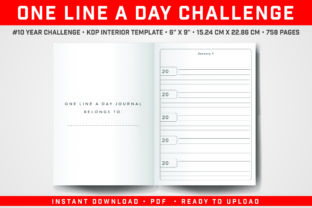
The primary appeal of this challenge lies in its accessibility. For entrepreneurs, freelancers, and educators who already manage significant cognitive loads, the barrier to entry must be low. Writing one line takes less than two minutes, making it sustainable even during the most chaotic seasons of life. This beautifully designed One Line A Day Journal supports this habit through intentional layout choices. With 758 pages formatted at 6”x9”, the physical footprint is compact enough to sit permanently on a nightstand or fit inside a work bag without feeling burdensome.
Consistency matters more than volume when building a long-term record. Many people abandon journaling because they miss a few days and then feel guilty about the blank spaces. In this format, missing a day simply means one empty line among ten years of entries. The psychological weight is significantly lighter. You are not failing a diary; you are curating highlights. This shift in perspective helps beginners and casual users maintain momentum through busy quarters, vacations, or transitional life phases where detailed writing feels out of reach.
Understanding the Unique Layout Structure
This specific journal edition is engineered for longevity and comparison rather than linear storytelling. Two pages contain ten separate lined areas, meaning that when you open the book to today’s date, you will see what you wrote on this same day for the previous nine years. This vertical alignment transforms the act of journaling into a conversation with your past self. You might notice that every October 15th involves travel, or that your mood tends to shift during specific seasonal transitions. These insights are invisible in standard chronological notebooks but become obvious here.
The technical specifications support this decade-long vision. At 15.24cm x 22.86cm, the trim size provides adequate writing space without excess white paper that might tempt overwriting. The no-bleed interior ensures that ink from pens or markers stays contained, preserving the readability of entries across the thin lines. With 758 pages total, the book accounts for leap years and structural elements while remaining substantial enough to feel like a lasting heirloom. The inclusion of an opening page with "Belongs to" notes also establishes immediate ownership and intentionality before the first entry is ever written.
Monthly Reflection Points for Deeper Context
While daily brevity is the core mechanic, some months require additional processing space. This journal addresses that need by including two dedicated NOTES pages at the end of every month. These sections serve as a release valve for thoughts that cannot be contained in a single line. Professionals might use this space to summarize quarterly achievements, while parents could note developmental milestones that deserve more description. Educators might reflect on curriculum changes or student breakthroughs.
These monthly buffers prevent the daily lines from becoming cramped or overly cryptic. They acknowledge that while most days are ordinary, some periods demand expanded reflection. By separating the micro (daily) from the macro (monthly), the journal maintains its clean aesthetic while still accommodating the complexity of adult life. This dual structure makes it particularly valuable for creators and marketers who need to track both granular daily habits and broader strategic trends over time.
Practical Applications Across Different Lifestyles
The versatility of the One Line a Day 10 Years Challenge extends far beyond personal sentimentality. Small business owners often use it as a lightweight decision log, noting key pivots, client feedback, or revenue milestones in real-time. Looking back five years later, they can correlate business cycles with personal energy levels or external events. Bloggers and content creators find it useful for tracking idea generation, noting which topics sparked interest on specific dates, or documenting the emotional reality behind public success metrics.
For hobbyists and lifelong learners, the journal becomes a progress tracker. A gardener might record bloom dates and weather conditions annually, eventually creating a personalized almanac. Someone learning a new language could note vocabulary mastered or cultural insights gained. Because the format spans a decade, it captures slow-moving transformations that weekly reviews miss. The Ready to Upload PDF Format availability also suggests adaptability for those who prefer digital planning or want to print custom versions for specific niches, though the physical 6x9 edition remains ideal for tactile engagement and screen-free wind-down routines.
Supporting Mental Wellness and Mindfulness
Beyond productivity and memory preservation, this practice serves as a grounding ritual. In an era of digital noise, taking sixty seconds to articulate one true thing creates a moment of mindfulness. It forces prioritization: if you can only write one line, what actually mattered today? This filtering process cultivates gratitude and presence without requiring formal meditation. Therapists and coaches sometimes recommend similar practices to clients working through anxiety or depression, as the low-stakes format reduces performance pressure while maintaining a thread of self-connection.
The comparative aspect also builds resilience. Seeing past struggles resolved in subsequent year entries provides tangible evidence of survival and adaptation. Conversely, noticing recurring happy moments reinforces positive anchors. For adults navigating midlife transitions, career changes, or empty nesting, this longitudinal view offers perspective that isolated therapy sessions or sporadic journaling cannot provide alone.
Important Considerations Before Starting
Before committing to a decade-long project, understand that perfection is neither expected nor desirable. Some lines will be mundane ("Ate leftover pizza," "Rained all day"). Others will be profound. Both are necessary for authenticity. If you approach this challenge expecting constant inspiration, you will likely quit within months. Embrace the ordinary as the connective tissue between extraordinary moments.
Also consider your writing instrument preferences given the no-bleed specification. While the paper is designed to minimize show-through, testing your favorite pens on the back flyleaf first ensures long-term satisfaction. Fountain pen users may want to verify drying times, while ballpoint and gel pen users typically experience excellent results. Finally, remember that this journal is a tool, not a test. Life happens, gaps appear, and handwriting changes. These imperfections are features of a genuine ten-year record, not failures of discipline. The goal is continuation, not completion.
Whether you are a seasoned journaler seeking sustainability or a complete beginner intimidated by blank books, the One Line a Day 10 Years Challenge meets you exactly where you are. Its thoughtful design—from the 758-page count to the monthly notes sections—removes friction so you can focus on what matters: showing up for your own story, one honest line at a time.