Vehicle Mileage Journal Logbook 6x9: Print Ready Template
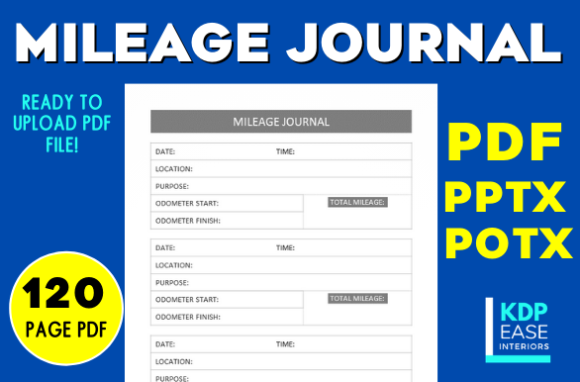
Tracking vehicle expenses requires a system that balances portability with sufficient writing space. The Vehicle Mileage Journal Logbook 6x9 format addresses this specific need by offering a compact yet functional layout designed for daily use. For self-published authors and small business owners, acquiring a ready-to-upload print file eliminates the technical barriers often associated with book formatting. This resource provides a complete 120-page PDF interior alongside editable PowerPoint source files, allowing creators to launch a professional-grade logbook without hiring a designer or learning complex layout software.
Streamlining Tax Compliance Through Consistent Tracking
The primary function of any mileage log is to substantiate tax deductions during an audit. A well-structured journal transforms chaotic receipt piles and forgotten trips into organized data. The 6x9 dimension is critical here because it fits comfortably in a glove compartment, center console, or passenger seat pocket. Unlike larger 8.5x11 ledgers that often get left at home due to their bulk, this size encourages immediate recording. When drivers record odometer readings, destinations, and business purposes at the moment of travel, accuracy increases significantly.
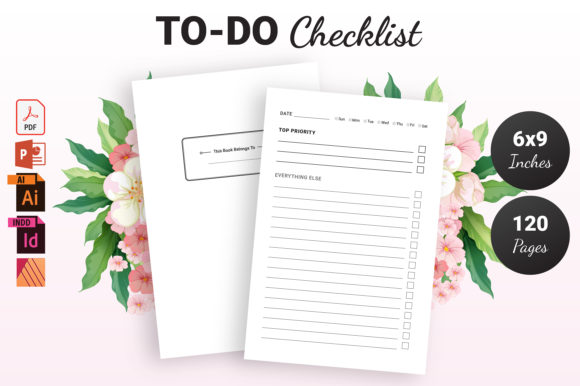
This specific template includes 120 pages, which translates to 60 sheets of paper. This page count is substantial enough to cover several months of active driving or a full year of moderate use, yet thin enough to remain lightweight. For freelancers and independent contractors, having a dedicated physical record serves as a tangible backup to digital apps, which can sometimes fail due to battery issues or GPS signal loss. The pre-formatted columns guide the user to capture exactly what tax authorities typically require: date, starting odometer, ending odometer, total miles, destination, and business purpose.
Advantages of the No-Bleed Interior Design
Technical specifications matter immensely when printing low-content books. This Vehicle Mileage Journal Logbook 6x9 utilizes a no-bleed design, meaning all text and lines stay safely within the margins without extending to the edge of the paper. This choice offers two distinct practical benefits. First, it ensures compatibility with a wider range of print-on-demand providers and local printers, as bleed requirements vary strictly between platforms. Second, it prevents crucial writing lines from being trimmed off during the binding process.
For users who prefer to write near the edges of the page or those who may scan completed logs for digital archiving, no-bleed layouts provide a cleaner, more predictable result. It also simplifies future editing. If you decide to add a logo or change the header font using the included PPTX source file, you do not need to worry about adjusting safety zones or recalculating trim marks. The content remains centered and secure, reducing the risk of rejected uploads or misprinted batches.
Leveraging Editable Source Files for Brand Customization
While the ready-to-upload PDF allows for immediate publishing, the inclusion of a PPTX source file unlocks long-term value. Many pre-made templates lock users into a static design, but this package empowers creators to adapt the logbook to specific niches. A real estate agent might want to add property address fields, while a delivery driver might need columns for package counts or customer signatures. By editing the PowerPoint master slides, these modifications can be applied globally across all 120 pages in minutes rather than hours.
This flexibility extends to branding opportunities. Small business owners can insert company logos, contact information, or instructional text on the first few pages to turn a generic logbook into a branded corporate tool. Educators teaching logistics or driver training can customize the headers to match curriculum terminology. The ability to modify the source file means one purchase can yield multiple product variations, supporting a diverse catalog strategy for publishers or providing tailored solutions for internal organizational use.
Simplifying the KDP Publishing Workflow
Amazon KDP and similar platforms have stringent file requirements regarding margins, resolution, and color profiles. Navigating these technical hurdles can consume days of trial and error for new publishers. This package mitigates that friction by providing a verified PDF file ready for direct upload. The dimensions are pre-set to 6x9 inches, and the page count matches standard binding thresholds. This readiness is particularly valuable for marketers and entrepreneurs looking to test market demand quickly without investing weeks in production.
Additionally, the included KDP Cover Template assists in completing the exterior packaging. While the interior drives utility, the cover drives sales. Having a matching template ensures the spine width calculation aligns perfectly with the 120-page interior. Mismatched spines are a common cause of printing errors, so this coordinated approach safeguards against costly reprints. For those new to self-publishing, this integrated ecosystem reduces anxiety and accelerates the path from concept to live listing.
Evaluating Practical Limitations and User Fit
Despite its versatility, the Vehicle Mileage Journal Logbook 6x9 is not universally ideal for every scenario. Understanding its limitations helps potential users make informed decisions. The 6x9 size, while portable, offers less horizontal writing space than standard letter-sized paper. Users with large handwriting or those who need to record extensive notes per entry may find the rows restrictive. In such cases, testing a printed sample before committing to a bulk order or finalizing a digital product is advisable.
Furthermore, the no-bleed constraint means there is no colored background extending to the page edge. Creators seeking a modern, full-bleed aesthetic with edge-to-edge graphics will need to perform significant redesign work or choose a different base template. This logbook excels in utility and clarity rather than artistic expression. It is best suited for functional tracking rather than decorative journaling. Buyers should assess whether their target audience prioritizes efficient data entry over visual flair.
Maximizing Value Across Different User Groups
Different demographics derive unique benefits from this specific configuration. For freelancers and gig workers, the logbook represents a direct financial asset by protecting deductible income. The structured format reduces end-of-year accounting stress. For self-publishers, the editable source files serve as a foundation for building a series of automotive-related journals, such as maintenance logs or fuel trackers, creating cross-selling opportunities.
Fleet managers and small business owners can utilize the PPTX file to create standardized internal tools, ensuring all employees track mileage uniformly. This consistency simplifies reimbursement processing and expense reporting. Educators and vocational trainers can use the logbook as a teaching aid for students entering transportation careers, emphasizing the importance of documentation habits early in their professional development. Each group benefits not just from the physical book, but from the adaptability embedded in the digital assets.
Strategic Considerations for Long-Term Use
When integrating this Vehicle Mileage Journal Logbook 6x9 into a workflow or product line, consider the lifecycle of the record. Physical logs eventually fill up. The 120-page capacity strikes a balance between longevity and manageability, but users should plan for continuity. Publishers might include a "Volume Number" field on the title page to encourage sequential purchasing. Business owners might implement a quarterly replacement schedule to align with tax periods.
Finally, while digital tracking apps dominate the market, physical logbooks retain relevance due to their reliability and lack of subscription fees. This template bridges the gap between traditional utility and modern publishing efficiency. By providing both the finished product and the raw materials for modification, it supports a wide spectrum of goals ranging from personal financial organization to commercial product development. Success lies in matching the tool’s specific attributes—compact size, editable format, and print-ready status—to the precise needs of the intended application.