KDP Interior - Chronic Pain Log: Customizable Templates for Health Tracking and Publishing
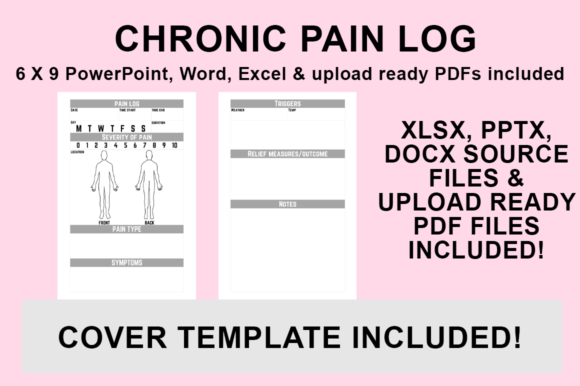
Managing chronic pain requires more than just medication; it demands consistent tracking, pattern recognition, and clear communication with healthcare providers. For authors and publishers in the health niche, creating resources that facilitate this process is both a service to the community and a strategic business opportunity. The KDP Interior - Chronic Pain Log provides a comprehensive solution for creators looking to publish high-quality, functional health journals. This resource is not merely a static PDF but a fully editable suite of files designed in PowerPoint, Word, and Excel, allowing you to create a unique product that stands out in a crowded marketplace while genuinely helping individuals manage their daily symptoms.
Addressing the Need for Personalized Health Tracking
Chronic pain is inherently subjective and variable. Standard medical forms often fail to capture the nuance of daily fluctuations, trigger identification, and medication efficacy. Individuals living with conditions such as fibromyalgia, arthritis, or migraines need tools that adapt to their specific experiences rather than forcing their experiences into rigid boxes. When you utilize a KDP Interior - Chronic Pain Log template, you are addressing a critical gap in patient self-advocacy. These logs serve as a bridge between patient experience and clinical diagnosis, transforming scattered memories of pain into actionable data.
For publishers, the challenge lies in balancing aesthetic appeal with clinical utility. A journal that is too decorative may lack necessary data fields, while one that is too clinical may feel discouraging to use daily. The included source files solve this dilemma by providing a professional foundation that remains flexible. Because the interior is designed with no bleed and sized specifically to 6"x9", you eliminate common formatting errors that lead to KDP rejection, ensuring a smooth path from customization to publication.
The Advantage of Editable Source Files
Most KDP interiors are sold as locked PDFs, limiting your ability to differentiate your product. This KDP Interior - Chronic Pain Log package breaks that mold by including native PowerPoint, Word, and Excel source files. This accessibility is crucial for creating a book that reflects your specific brand voice and audience needs. Whether you want to adjust the font size for better readability among older adults, add motivational graphics, or modify tracking columns to include specific symptoms like weather sensitivity or sleep quality, the source files make these adjustments simple.
Using familiar software like Microsoft Office lowers the barrier to entry for customization. You do not need expensive design software or advanced technical skills to put your own stamp on this log. This flexibility allows you to create multiple variations from a single purchase. For example, you could create a general chronic pain tracker, a migraine-specific edition, and a post-surgical recovery log, all derived from the same foundational templates. This versatility maximizes your return on investment and allows you to serve diverse sub-niches within the chronic illness community.
Practical Applications and User Outcomes
The primary goal of any health log is to improve outcomes through awareness. When users engage with a well-designed KDP Interior - Chronic Pain Log, they gain several tangible benefits. First, consistent tracking helps identify triggers that might otherwise go unnoticed, such as dietary correlations or stress-induced flare-ups. Second, having a visual record of pain levels over time validates the patient’s experience, which is particularly important for those who have faced medical gaslighting. Third, bringing a completed log to doctor appointments transforms vague conversations into productive consultations focused on data-driven treatment adjustments.
From a publishing perspective, the practical application extends to market positioning. By customizing the interior, you can target specific demographics. A minimalist, black-and-white design might appeal to users concerned about ink costs when printing at home or those who prefer a distraction-free interface. Conversely, adding soft colors and gentle typography can create a sense of calm and compassion for users dealing with high-stress health situations. Your ability to tailor the user experience directly influences customer satisfaction and reviews, which are vital for long-term success on Amazon KDP.
Different Approaches to Customization
Users approach the KDP Interior - Chronic Pain Log with varying levels of design experience and different end goals. Understanding these approaches helps in maximizing the utility of the included files. Beginners may choose to use the print-ready PDF exactly as provided, focusing their efforts on cover design and keyword optimization. This is a valid strategy for quickly entering the market with a proven, professionally formatted interior.
Intermediate users often leverage the Word and Excel files to tweak content without altering the overall layout. They might rename headers to match specific medical terminology relevant to their niche or add an introductory section with tips for effective pain tracking. Advanced users typically utilize the PowerPoint file to overhaul the visual identity entirely, incorporating custom illustrations, branded color schemes, and proprietary tracking methodologies. Regardless of the approach, the key is to ensure that modifications maintain the integrity of the 6"x9" no-bleed format to prevent printing issues.
Ensuring Print Quality and Technical Compliance
A beautiful digital file does not always translate to a perfect printed book. The KDP Interior - Chronic Pain Log is pre-configured to meet Amazon’s strict printing specifications, but customization introduces variables that require attention. When modifying fonts or adding graphics, always verify that text remains within the safe zone and that images have sufficient resolution (at least 300 DPI) for print clarity. Since the template is designed with no bleed, you must ensure that no elements extend to the very edge of the page unless intended, as this will result in trimming errors.
Testing your customized version before full publication is highly recommended. Order a proof copy to check how the paper weight affects opacity, especially if you have added darker graphics or colored backgrounds. Low-content books like pain logs rely heavily on usability; if the paper bleeds through or the margins are too tight for comfortable writing, users will be dissatisfied. Utilizing the provided source files responsibly ensures that your final product maintains the professional standard expected by customers seeking serious health management tools.
Exporting Your Customized File for KDP Upload
Once you have tailored the KDP Interior - Chronic Pain Log to meet your vision and audience needs, the final step is preparing the file for upload. Proper export settings are essential to preserve your formatting and ensure compatibility with KDP’s printing engines. Follow this streamlined process to generate a compliant PDF:
- Final Review: Open your desired file (PowerPoint, Word, or Excel) and perform a thorough check of all changes, including font consistency, alignment, and graphic placement.
- Initiate Export: Navigate to the ‘File’ menu and select ‘Save As’ to begin the conversion process.
- Select Destination: Choose a dedicated folder for your KDP assets to keep your project organized and easily accessible.
- Choose Format: From the ‘Save as type’ dropdown menu, strictly select PDF (.pdf). Do not upload native Office files, as formatting may shift during KDP processing.
- Complete Save: Click ‘Save’ to generate the final document. Verify the file size and page count before uploading to your KDP dashboard.
By following these steps, you ensure that the meticulous work you put into customizing your KDP Interior - Chronic Pain Log translates perfectly to the physical product. This attention to detail, combined with the inherent utility of a well-designed tracking system, positions your book as a valuable resource for those navigating the complexities of chronic pain management.